Source Non Heating Diesel Oil Purifier for Turbines, Fuel, and Biodiesel
Compare 30 non heating diesel oil purifier models designed for efficient solid-liquid separation and coalescing filtration. These mobile and fixed units operate at 380V to clean turbine oil, light fuel, and biodiesel without heating, ensuring reliable performance for industrial applications.
Key considerations
Products List




Comprehensive Sourcing Guide
Non Heating Diesel Oil Purifier Sourcing Guide
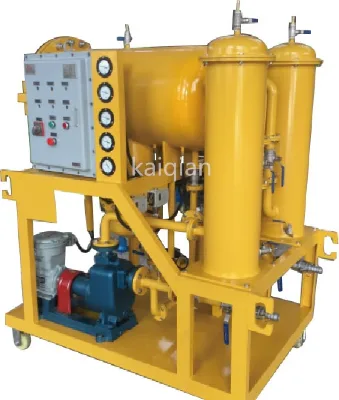
Buyers must first distinguish between mobile and fixed structural configurations when evaluating non-heating diesel oil purifiers, as this choice dictates installation logistics and operational flexibility. The observed market data indicates that mobile units often utilize pressure filtration principles for efficient solid-liquid separation, whereas fixed models may employ coalescing separation techniques specifically designed for light fuel oil purification. Understanding this structural variance is critical before initiating any procurement process, as the physical footprint and mobility requirements directly influence the suitability of the equipment for specific industrial sites.
Procurement teams should also scrutinize the specific functional claims regarding oil treatment, noting that some units are engineered for non-heating diesel cleaning while others focus on turbine oil or biodiesel applications. The observed listings reveal a wide range of flow capacities, from 50 liters per minute to 6000 liters per hour, which necessitates a precise calculation of the required throughput for the intended facility. Buyers must verify that the selected model matches the specific impurity profile, such as oil-water separation or general oil impurities, to ensure the filtration mechanism aligns with the actual contamination levels present in the fuel stream.
Product Scope and Observed Listing Signals
The product scope for non-heating diesel oil purifiers encompasses a variety of models, including the JYOP, JY, and TYB series, each offering distinct filtering areas and dimensional profiles. Buyers should observe that the overall dimensions are not fixed but depend entirely on the required filtering area, meaning that capacity and physical size are directly correlated variables. This variability requires purchasers to define their exact space constraints and flow requirements early in the sourcing process to avoid selecting a unit that is either too large for the installation site or insufficient for the operational load.
Listing signals indicate that these machines are typically constructed from carbon steel or stainless steel, with color options ranging from blue and green to white and yellow. The observed data suggests that while some units are designed for general usage, others are specialized for specific processes like diesel oil cleaning or light fuel oil purification. Buyers must carefully cross-reference the listed functions against their specific operational needs, as the presence of features like non-heating treatment or coalescing separation filtering determines the unit's ability to handle specific fuel types without thermal degradation.
Technical Specifications to Verify
Technical verification must begin with the power supply requirements, as the observed listings show a range from 220V to 440V, with 380V 50Hz 3-phase being a common standard. Buyers should confirm that the electrical infrastructure at their facility can support the specific voltage and phase requirements of the selected unit, as mismatches can lead to operational failure or equipment damage. Additionally, the working pressure is typically listed as less than 0.4 MPa or designed for 10kg, and verifying these pressure limits is essential to ensure the system operates safely within the intended hydraulic parameters.
Flow rate and filtration efficiency are equally critical technical parameters that require strict validation against the supplier's data sheets. The observed flow rates vary significantly, with some models capable of processing 2000 to 10000 liters in an 8 to 10-hour window, while others specify rates like 3000 liters per hour. Buyers must ensure that the stated flow capacity is not merely a theoretical maximum but a reliable performance metric under actual operating conditions. Furthermore, the mechanical principle of pressure filtration or coalescing separation must be confirmed to guarantee that the unit can effectively remove solid impurities and separate oil from water as intended.
Compliance and Safety Documentation
Compliance verification should focus on the presence of recognized international certifications such as TÜV, CE, and ISO9001, which are frequently cited in the product listings. These certifications serve as evidence that the manufacturing process adheres to specific quality management standards and safety protocols, which is particularly important for equipment handling flammable fuels like diesel. Buyers must request valid certification documents for the specific model number being purchased, as the presence of these marks on a general product page does not guarantee that every individual unit or batch has undergone the same rigorous testing and approval process.
Safety documentation must also include detailed information regarding the machine's environmental protection features and acid-base properties, as these factors impact both operational safety and regulatory compliance. The observed data notes that some units are designed with environmental protection in mind, but buyers should verify the specific disposal methods for the collected impurities and the chemical nature of the surface disposal agents used. Ensuring that the equipment meets local environmental regulations and safety standards is a prerequisite for operation, and suppliers should provide comprehensive manuals detailing these safety protocols and emergency procedures.
Cost Drivers and Commercial Terms
Cost drivers for non-heating diesel oil purifiers are heavily influenced by the material composition of the machine body, with stainless steel options typically commanding a higher price than carbon steel alternatives. Buyers should anticipate that the overall cost will also scale with the filtering area and the resulting flow capacity, as larger units require more material and complex engineering to maintain structural integrity under pressure. Understanding these material and capacity correlations is essential for budgeting, as the price range observed in the market spans from low-cost entry models to high-capacity industrial systems.
Commercial terms regarding delivery and packaging are equally significant, with lead times typically ranging from three to four weeks and transportation packages often specified as export-standard plywood cases. Buyers must clarify whether the quoted price includes the cost of spare parts, which are sometimes packed separately in wooden cases, and confirm the exact delivery timeline to align with project schedules. Additionally, the availability of engineers for overseas service should be factored into the total cost of ownership, as this after-sales support can significantly reduce long-term maintenance expenses and downtime risks.
Supplier Qualification and Quality Control
Supplier qualification should prioritize manufacturers who explicitly offer engineers available to service machinery overseas, as this capability is a strong indicator of robust after-sales support and technical expertise. The observed listings highlight that suppliers in Shanghai and other regions in China often provide this level of service, but buyers must verify the specific scope of this support, including response times and the availability of replacement parts. A supplier's willingness to provide detailed technical documentation and on-site assistance is a critical metric for assessing their reliability and commitment to long-term customer satisfaction.
Quality control processes must be validated through the supplier's adherence to standards such as ISO9001 and the specific production standards listed for each model. Buyers should request evidence of the quality control measures implemented during the manufacturing of the machine body and the filtration components to ensure consistency and durability. The presence of certifications like TÜV and CE suggests a baseline of quality, but direct inquiries into the supplier's internal testing procedures and inspection protocols are necessary to confirm that the final product will meet the rigorous demands of industrial diesel oil purification.
Long-Term Procurement Checks
Long-term procurement checks should focus on the availability of spare parts and the standardization of components to ensure that the equipment remains operational for years. The observed data indicates that spare parts are often shipped in wooden cases, but buyers must verify the lead time for these parts and the supplier's inventory levels to prevent extended downtime in the event of a failure. Establishing a reliable supply chain for consumables and replacement components is essential for maintaining the efficiency of the non-heating diesel oil purifier over its entire lifecycle.
Buyers must also plan for periodic performance reviews to ensure that the filtration efficiency and flow rates remain consistent with the original specifications. Over time, the mechanical principle of pressure filtration or coalescing separation may require calibration or component replacement to maintain optimal performance, and suppliers should provide clear guidelines for these maintenance activities. Regular audits of the equipment's condition and a review of the supplier's continued support capabilities will help mitigate risks and ensure that the investment in the non-heating diesel oil purifier continues to deliver value.
FAQs
How does the non heating diesel oil purifier work?
It uses coalescing separation filtering to remove impurities without heating. This mechanical pressure filtration process ensures efficient solid-liquid separation and oil-water separation. The system operates at a designed pressure of 10kg and utilizes a mobile or fixed structure depending on the specific model configuration for optimal performance.
What is the flow capacity of the diesel oil purifier?
The flow rate ranges from 2000 to 10000 liters per 8 to 10 hours. Specific models like the TYB-50 handle 3000 liters per hour, while the TYB-100 processes 6000 liters per hour. This capacity supports efficient diesel oil cleaning and purification for various industrial applications requiring consistent fuel treatment.
Can the machine be customized for specific voltage requirements?
Yes, customization is available for power supply needs. The standard voltage is 380V 50Hz 3 Phase, but options include 220V, 440V, or other configurations as required. This flexibility ensures the equipment integrates seamlessly into different industrial power grids while maintaining efficient filtration performance for diesel oil treatment.
What certifications do the diesel oil purifiers hold?
The equipment holds TüV, CE, and ISO9001 certifications. These standards ensure the machinery meets international quality and safety requirements for oil-water separation and solid-liquid separation. The certifications verify the reliability of the coalescing separation filtering process used in the non-heating diesel oil purifier for industrial applications.
What is the delivery time for the oil purifier?
The standard delivery time is 3 to 4 weeks. Products are packed in export standard plywood cases or wooden cases with spare parts included. This lead time applies to the manufacturing and preparation of the machinery, ensuring safe transportation and timely arrival for installation and commissioning at your facility.
What materials are used for the machine body?
The machine body is constructed from carbon steel or stainless steel. These materials provide durability and resistance to corrosion during the non-heating oil treatment process. The choice of material supports the efficient filtration of diesel oil and light fuel oil, ensuring long-term performance in solid-liquid separation applications.